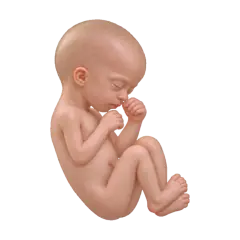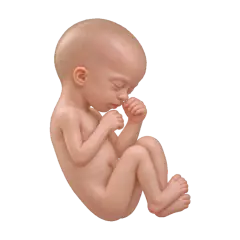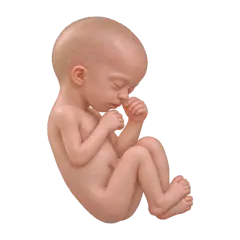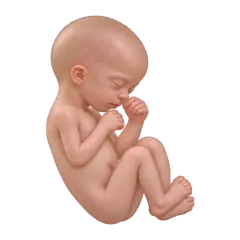
Third trimester, week 38
38 weeks pregnant: Ready and waiting
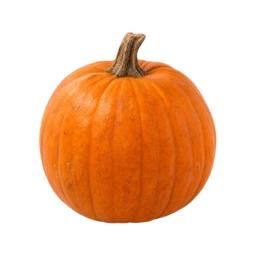
- Size of a
- Pumpkin (small)
- Length
- 49.8 cm head to heel
- Weight
- 3.2 kg WHO median
- Heart rate
- 110–160 bpm typical range
- Due date
- 14 days away 95% of the way
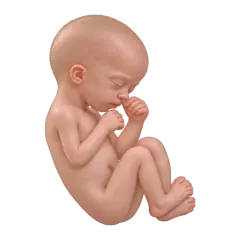
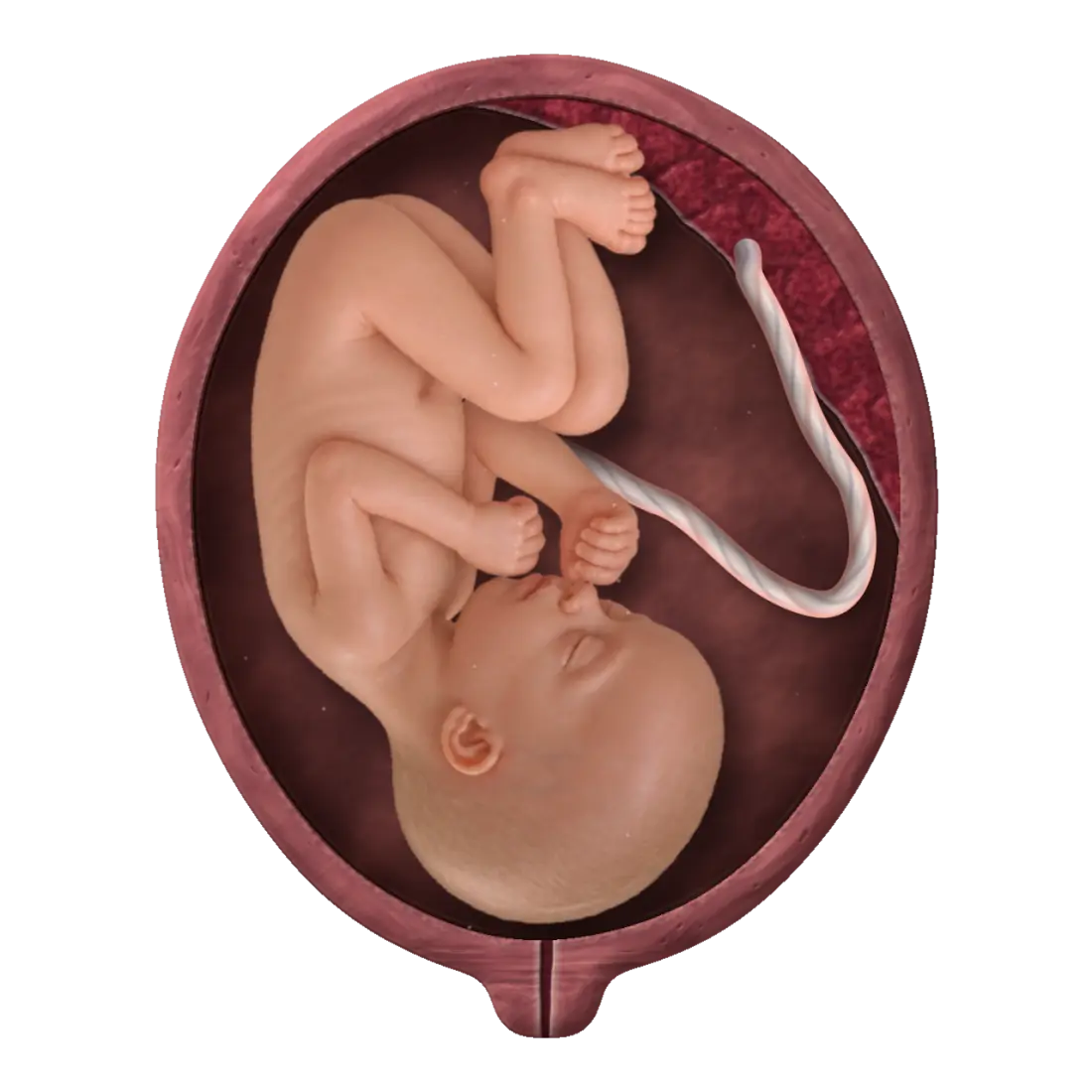
At 38 weeks pregnant, your baby is about the size of a small pumpkin: roughly 49.8 cm from head to heel, weighing about 3.2 kg. You’re in your third trimester, with about 2 weeks to go until your due date.
Your baby this week
- Organs are ready to work outside the womb, and the brain keeps developing quickly.
- Eye colour at birth is often blue or grey in lighter-skinned babies and brown in darker-skinned babies. It may change over the first year.
- The lanugo has nearly gone, and some vernix may remain at birth.
Your body this week
- Swelling, tiredness and restless nights are common.
- Signs of labour: regular, painful contractions that get closer together; waters breaking; a “show”; and backache.
- Keep noticing movements every day, right up to birth.
- Typical weight gain so far
- 10.8–15 kg
- Your uterus
- Near the ribs, may drop as baby engages
Weight gain range is for a pre-pregnancy BMI of 18.5–24.9 (IOM guideline). Your provider may advise differently.
Signs of labour at 38 weeks
The main signs are contractions or tightenings, a “show” (when the plug of mucus from your cervix comes away), backache, an urge to go to the toilet, and your waters breaking. Early labour can stop and start, so it can be hard to tell at first.
When to call your maternity unit
Call if you think you’re in labour, or if your contractions are coming every 5 minutes or more often. Your own unit may give you different timing, so follow their advice.
Call straight away if your waters break, you have any vaginal bleeding, your baby is moving less than usual, a contraction lasts more than 2 minutes, or you have 6 or more contractions in 10 minutes.
Call your emergency number if you think the baby is coming now and you have a strong urge to push.
What happens at the 38-week appointment
Along with the usual checks of blood pressure, urine, bump size and the baby’s position, your midwife will talk through your choices if you’re still pregnant after 40 weeks. It’s a good moment to ask how induction works at your hospital, so nothing comes as a surprise.
Keep noticing movements every day. Babies don’t slow down before labour, so report any change straight away.
Scans, tests and checkups
-
This weekKnow your baby’s movements Self-care
Get to know your baby’s pattern. If movements slow down, change or stop, contact your maternity unit straight away. Don’t wait until the next day.
-
This weekWeekly checkups Checkup
Blood pressure, urine, growth, position and movements, plus planning for labour. Often weekly in the US. The NHS schedule is usually 36, 38 and 40 weeks.
-
From week 39Membrane sweep & post-dates plan Checkup
A membrane sweep may be offered. If labour doesn’t start, induction is usually offered between 41 and 42 weeks.
Real size, next to an adult hand
Growth curve
When to call your midwife or doctor at 38 weeks
Call your midwife, doctor or maternity unit straight away, day or night, if you have any of these:
- A change in your baby’s usual pattern of movement. Call straight away rather than waiting until the next day.
- Vaginal bleeding, or a gush or steady trickle of fluid.
- Severe belly pain that doesn’t go away.
- A severe headache, vision changes, pain under your ribs, or sudden swelling of your face, hands or feet. These can be signs of pre-eclampsia.
- Regular, strong contractions or your waters breaking. Follow what your maternity team told you about when to come in.
- Intense itching, especially on your hands and feet, which can be a sign of a liver condition called cholestasis.
- Fever of 38 °C (100.4 °F) or higher, or pain or burning when you pee.
- Pain or swelling in one leg, chest pain, or sudden shortness of breath. These can be signs of a blood clot.
- Feeling very low, hopeless or anxious most days. If you feel you might harm yourself, get emergency help.
Based on NHS and ACOG guidance. This list isn’t complete. If something feels wrong, call anyway. In an emergency, call your local emergency number.
Tip for this week
Rest when you can. Early labour can be long, so staying at home, eating light snacks and keeping hydrated helps.
Myth or fact?
Does a full moon bring on labour?
MythNo. Large studies of hundreds of thousands of births found no link between the lunar cycle and when babies are born.
Read the evidenceCommon questions at this stage
More myths around week 38
Questions people ask about week 38
What are the signs of labour at 38 weeks?
Regular contractions that get stronger and closer together, your waters breaking, a “show” (mucus plug), backache and an urge to open your bowels. Call your maternity unit if unsure.
How big is the baby at 38 weeks?
About 49.8 cm from head to heel and around 3.2 kg, though healthy babies vary widely.
References
- NHS Best Start in Life: 38 weeks pregnant
- NHS: Signs that labour has begun
- NHS: Your antenatal appointments
- NHS: Your baby’s movements
- NHS: Pre-eclampsia
- Kiserud T et al. The WHO Fetal Growth Charts. PLoS Medicine, 2017
- NHS: Itching and intrahepatic cholestasis of pregnancy
- MedlinePlus (US National Library of Medicine): Fetal development
Advice differs between countries, so follow your own care team’s plan. Weights from week 20 are the WHO median, and earlier weights are approximate. How we check this.
All 40 weeks
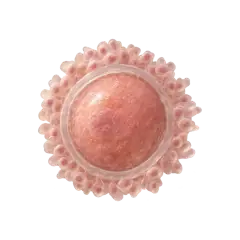
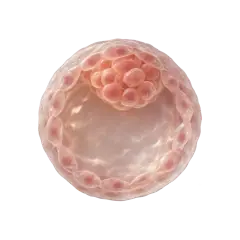
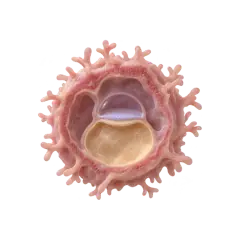
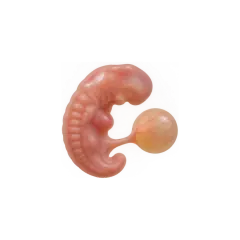
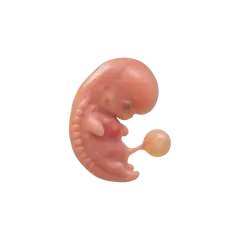
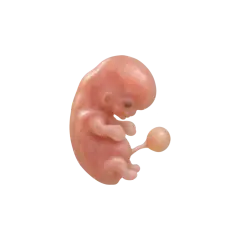
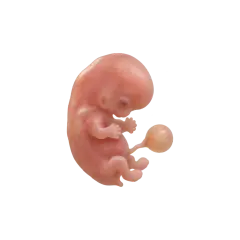
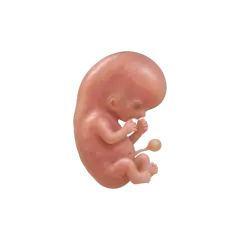
First trimester Weeks 1–13
From conception to a fully formed, tiny fetus. The most rapid change of the whole pregnancy.
Second trimester Weeks 14–27
Growth, movement and senses. Often the most comfortable stretch for parents.

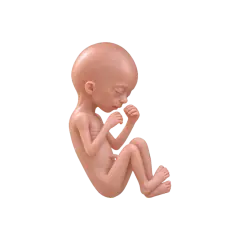
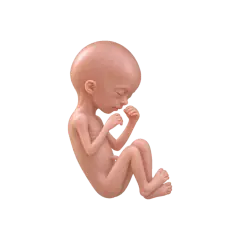
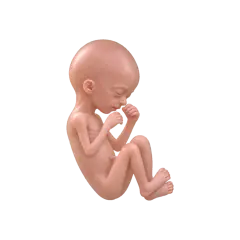

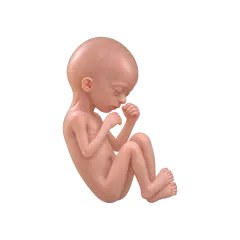





Third trimester Weeks 28–40
Weight gain, brain and lung maturation, and getting into position for birth.