Second trimester, week 15
15 weeks pregnant: Tasting what you eat
- Size of a
- Apple

- Length
- 10.1 cm crown to rump
- Weight
- 70 g approximate
- Heart rate
- 110–160 bpm typical range
- Due date
- 175 days away 38% of the way
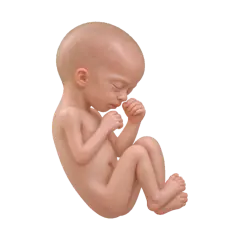
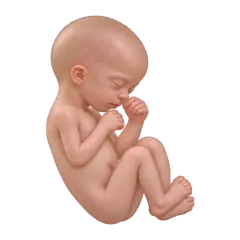
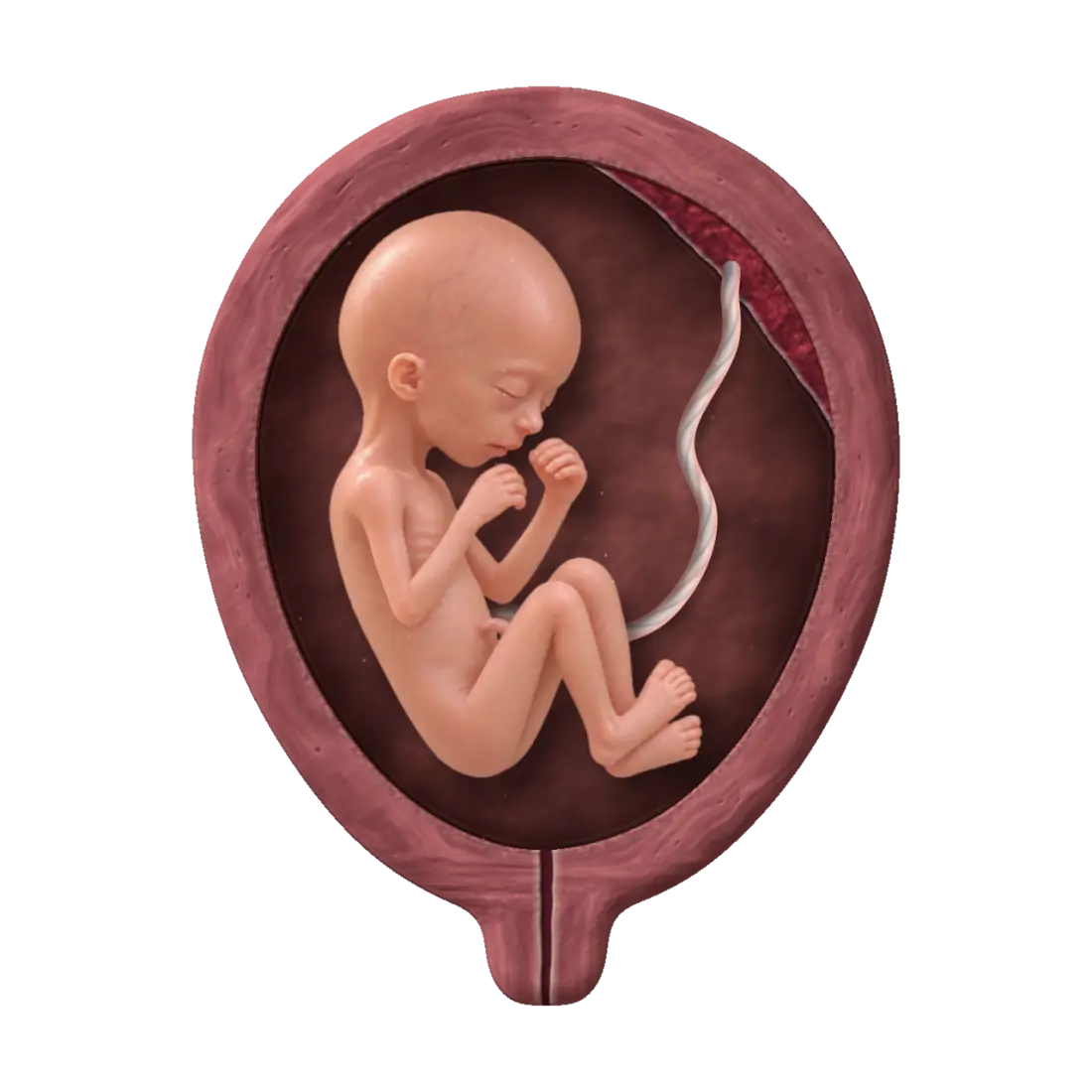
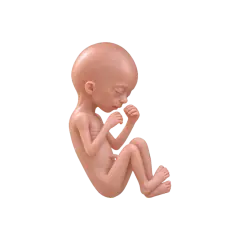
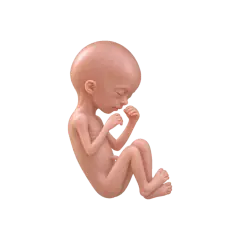
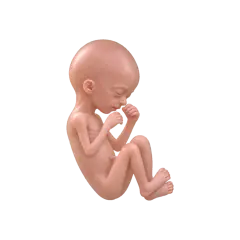
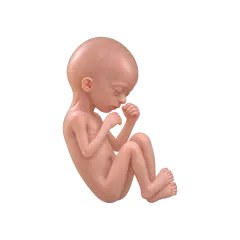
At 15 weeks pregnant, your baby is about the size of an apple: roughly 10.1 cm from crown to rump, weighing about 70 g. You’re in your second trimester, with about 25 weeks to go until your due date.
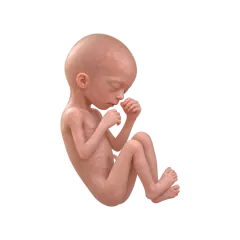
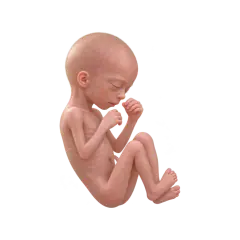
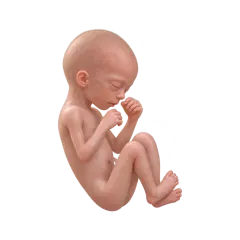
Your baby this week
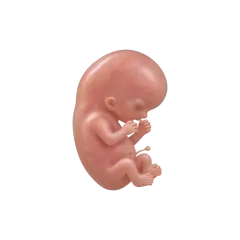
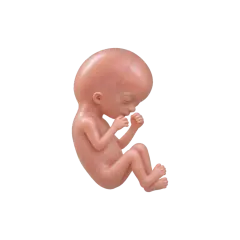
- Taste buds have formed, and flavours from your diet reach the amniotic fluid the baby swallows.
- The legs are now longer than the arms, and all the joints can move.
- The bones are hardening and show up clearly on ultrasound.
Your body this week
- Blood tests for the second-trimester (quad) screen can be done from about 15 weeks.
- Nasal congestion and occasional nosebleeds are common.
- Some second-time parents feel early flutters around now.
- Typical weight gain so far
- 1.3–3 kg
- Your uterus
- Just above the pubic bone
Weight gain range is for a pre-pregnancy BMI of 18.5–24.9 (IOM guideline). Your provider may advise differently.
Scans, tests and checkups
-
This weekSecond-trimester (quad) screening Blood test
A blood test (AFP, hCG, estriol, inhibin-A) for chromosomal conditions and neural tube defects, if you didn’t have first-trimester screening or NIPT. The NHS offers it at 14–20 weeks.
-
This weekAmniocentesis Diagnostic
Diagnostic test on a small sample of amniotic fluid. Offered after a high-chance screening result. The NHS gives the miscarriage risk as about 1 in 200. A 2019 review estimated the added risk at about 0.3%.
Baby’s sex: Diagnostic, only done for medical reasons
-
From week 18Anatomy scan (anomaly scan) Ultrasound
A detailed ultrasound of the baby’s brain, heart, spine, face, kidneys, limbs and growth, plus the placenta position and fluid. The NHS usually does it at 18–21 weeks.
Baby’s sex: Sex usually visible if the baby’s position allows. Ask if your hospital reports it
Real size, next to an adult hand
Growth curve
When to call your midwife or doctor at 15 weeks
Call your midwife, doctor or maternity unit straight away, day or night, if you have any of these:
- Vaginal bleeding, or a gush or steady trickle of fluid.
- Severe belly pain that doesn’t go away.
- Regular tightenings, period-like cramps or lower back pressure that keep coming. This could be early labour.
- Fever of 38 °C (100.4 °F) or higher, or pain or burning when you pee.
- Pain or swelling in one leg, chest pain, or sudden shortness of breath. These can be signs of a blood clot.
- Feeling very low, hopeless or anxious most days. If you feel you might harm yourself, get emergency help.
Based on NHS and ACOG guidance. This list isn’t complete. If something feels wrong, call anyway. In an emergency, call your local emergency number.
Tip for this week
Eat a wide variety of foods. It is good for you, and it may introduce your baby to lots of flavours.
Myth or fact?
Do sweet cravings mean a girl and salty cravings a boy?
MythNo. There’s no evidence cravings relate to the baby’s sex. They are shaped by hormones, culture, habit and changes in taste and smell.
Read the evidenceCommon questions at this stage
Questions people ask about week 15
Can the baby taste food at 15 weeks?
Taste buds have formed, and the baby swallows amniotic fluid that carries flavours from your diet. How much they “taste” it is unclear, but research shows prenatal flavour exposure affects preferences after birth.
What is amniocentesis and when is it done?
A diagnostic test that takes a small sample of amniotic fluid, usually between 15 and 20 weeks. It is offered when screening shows a higher chance of a condition. It carries a small risk of miscarriage.
References
- NHS Best Start in Life: 15 weeks pregnant
- NHS: Your antenatal appointments
- Mayo Clinic: Fetal development, the second trimester
- MedlinePlus (US National Library of Medicine): Fetal development
- Mennella JA et al. Prenatal and postnatal flavor learning by human infants. Pediatrics, 2001
Advice differs between countries, so follow your own care team’s plan. Weights from week 20 are the WHO median, and earlier weights are approximate. How we check this.
All 40 weeks
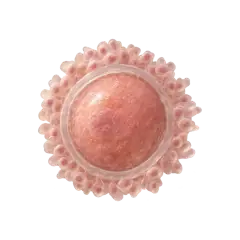
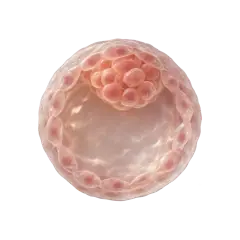
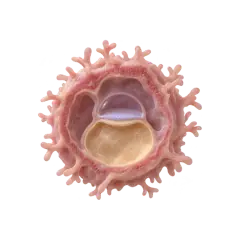
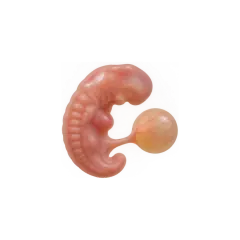
First trimester Weeks 1–13
From conception to a fully formed, tiny fetus. The most rapid change of the whole pregnancy.
Second trimester Weeks 14–27
Growth, movement and senses. Often the most comfortable stretch for parents.







Third trimester Weeks 28–40
Weight gain, brain and lung maturation, and getting into position for birth.