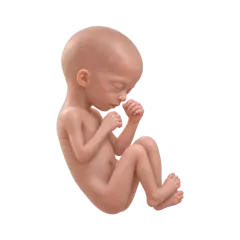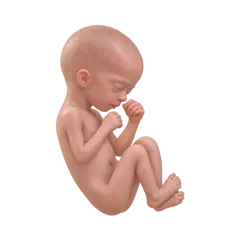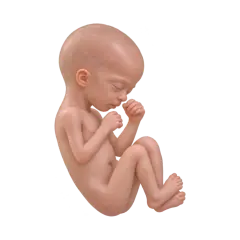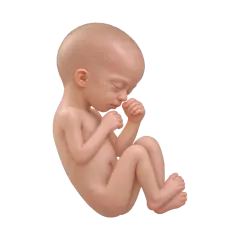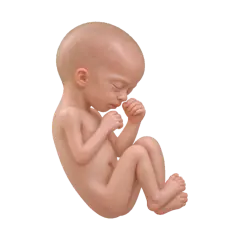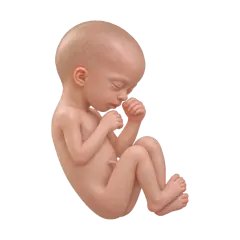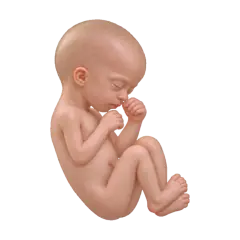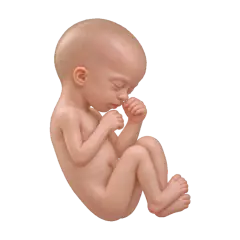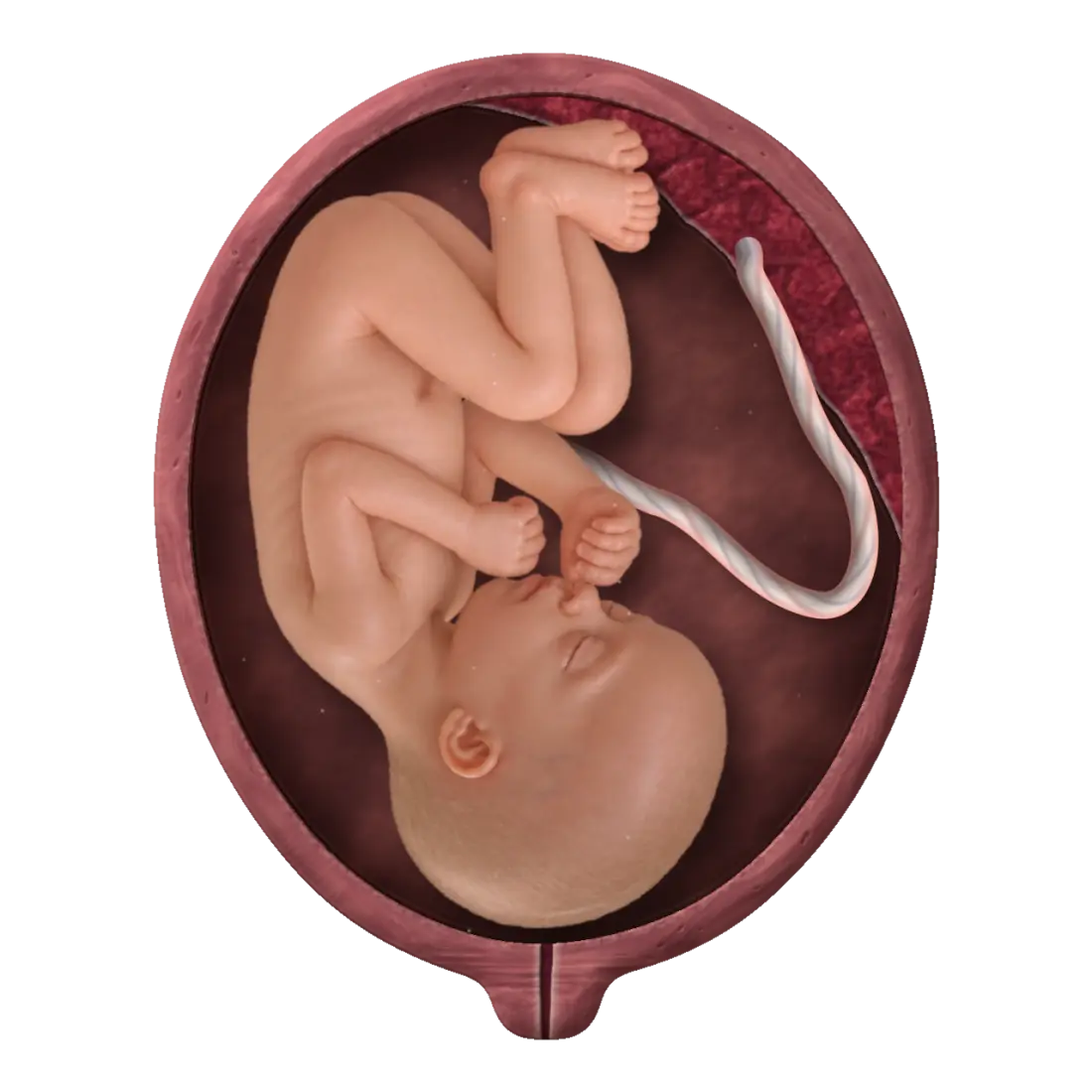
Third trimester, week 39
39 weeks pregnant: Full term
- Size of a
- Mini watermelon

- Length
- 50.7 cm head to heel
- Weight
- 3.4 kg WHO median
- Heart rate
- 110–160 bpm typical range
- Due date
- 7 days away 98% of the way
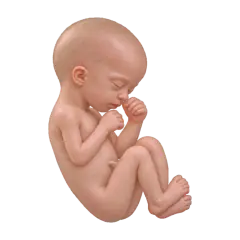
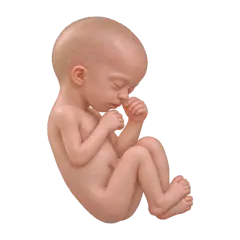
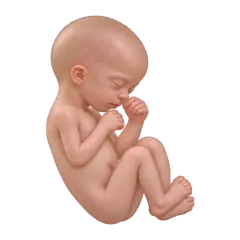
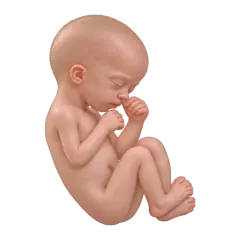
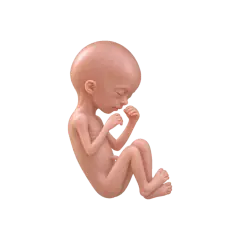
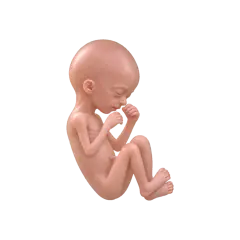
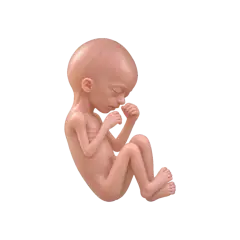
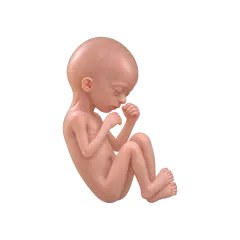
At 39 weeks pregnant, your baby is about the size of a mini watermelon: roughly 50.7 cm from head to heel, weighing about 3.4 kg. You’re in your third trimester, with about 1 week to go until your due date.
Your baby this week
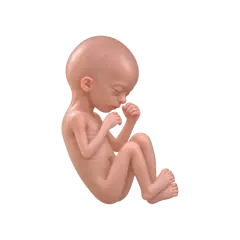
- The baby is full term. Body fat makes up about 15% of their weight, which keeps them warm.
- The skull bones can overlap slightly to fit through the birth canal.
- The brain is still growing fast. It will roughly double in size in the first year.
Your body this week
- You may feel pelvic pressure, backache or an urge to nest.
- A membrane sweep may be offered around 39–41 weeks to encourage labour to start.
- Only about 4% of babies arrive on their exact due date.
- Typical weight gain so far
- 11.2–15.5 kg
- Your uterus
- Near the ribs, may drop as baby engages
Weight gain range is for a pre-pregnancy BMI of 18.5–24.9 (IOM guideline). Your provider may advise differently.
Scans, tests and checkups
-
This weekKnow your baby’s movements Self-care
Get to know your baby’s pattern. If movements slow down, change or stop, contact your maternity unit straight away. Don’t wait until the next day.
-
This weekWeekly checkups Checkup
Blood pressure, urine, growth, position and movements, plus planning for labour. Often weekly in the US. The NHS schedule is usually 36, 38 and 40 weeks.
-
This weekMembrane sweep & post-dates plan Checkup
A membrane sweep may be offered. If labour doesn’t start, induction is usually offered between 41 and 42 weeks.
Real size, next to an adult hand
Growth curve
When to call your midwife or doctor at 39 weeks
Call your midwife, doctor or maternity unit straight away, day or night, if you have any of these:
- A change in your baby’s usual pattern of movement. Call straight away rather than waiting until the next day.
- Vaginal bleeding, or a gush or steady trickle of fluid.
- Severe belly pain that doesn’t go away.
- A severe headache, vision changes, pain under your ribs, or sudden swelling of your face, hands or feet. These can be signs of pre-eclampsia.
- Regular, strong contractions or your waters breaking. Follow what your maternity team told you about when to come in.
- Intense itching, especially on your hands and feet, which can be a sign of a liver condition called cholestasis.
- Fever of 38 °C (100.4 °F) or higher, or pain or burning when you pee.
- Pain or swelling in one leg, chest pain, or sudden shortness of breath. These can be signs of a blood clot.
- Feeling very low, hopeless or anxious most days. If you feel you might harm yourself, get emergency help.
Based on NHS and ACOG guidance. This list isn’t complete. If something feels wrong, call anyway. In an emergency, call your local emergency number.
Tip for this week
Prepare a quiet “labour nest” at home: pillows, a birthing ball, water, snacks and a playlist.
Myth or fact?
Will my baby be born on the due date?
MythUnlikely. Only about 4% of babies arrive on their exact due date. Most are born within about two weeks either side.
Read the evidenceCommon questions at this stage
More myths around week 39
Questions people ask about week 39
Is 39 weeks full term?
Yes. Full term is 39 weeks 0 days to 40 weeks 6 days.
What is a membrane sweep?
During an internal exam, a midwife or doctor sweeps a finger around the cervix to separate the membranes, which releases hormones that may start labour. It can be uncomfortable but is safe.
References
- NHS Best Start in Life: 39 weeks pregnant
- NHS: Your antenatal appointments
- NHS: Your baby’s movements
- NHS: Pre-eclampsia
- Kiserud T et al. The WHO Fetal Growth Charts. PLoS Medicine, 2017
- NHS: Itching and intrahepatic cholestasis of pregnancy
- NHS: Signs that labour has begun
- MedlinePlus (US National Library of Medicine): Fetal development
Advice differs between countries, so follow your own care team’s plan. Weights from week 20 are the WHO median, and earlier weights are approximate. How we check this.
All 40 weeks
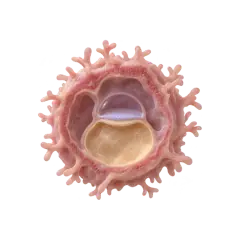
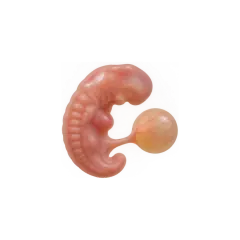
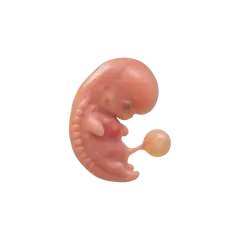
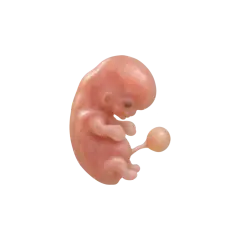
First trimester Weeks 1–13
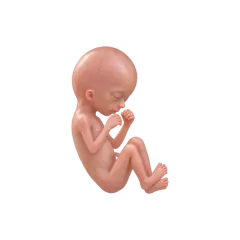
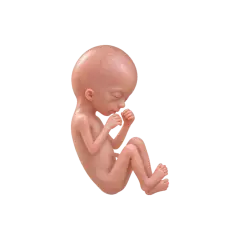
From conception to a fully formed, tiny fetus. The most rapid change of the whole pregnancy.
Second trimester Weeks 14–27
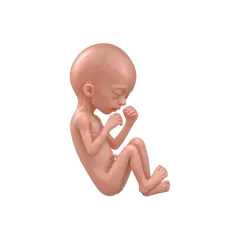
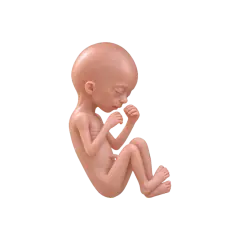
Growth, movement and senses. Often the most comfortable stretch for parents.
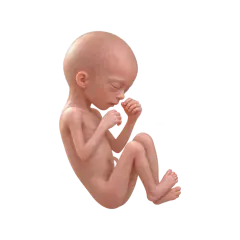
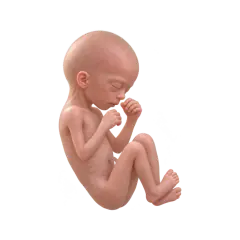
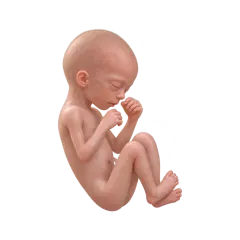
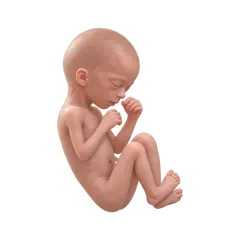
Third trimester Weeks 28–40
Weight gain, brain and lung maturation, and getting into position for birth.